
The Journal · Tech & Society · October 17, 2026
Meta’s $16.68 Billion Settlement: What It Changes for Every App Built for Families
Up to $16.68 billion, a two-hour default limit, and quiet hours during school and at night. What the settlement with 29 states changes, and why anyone who builds apps for young people should treat it as the new minimum.
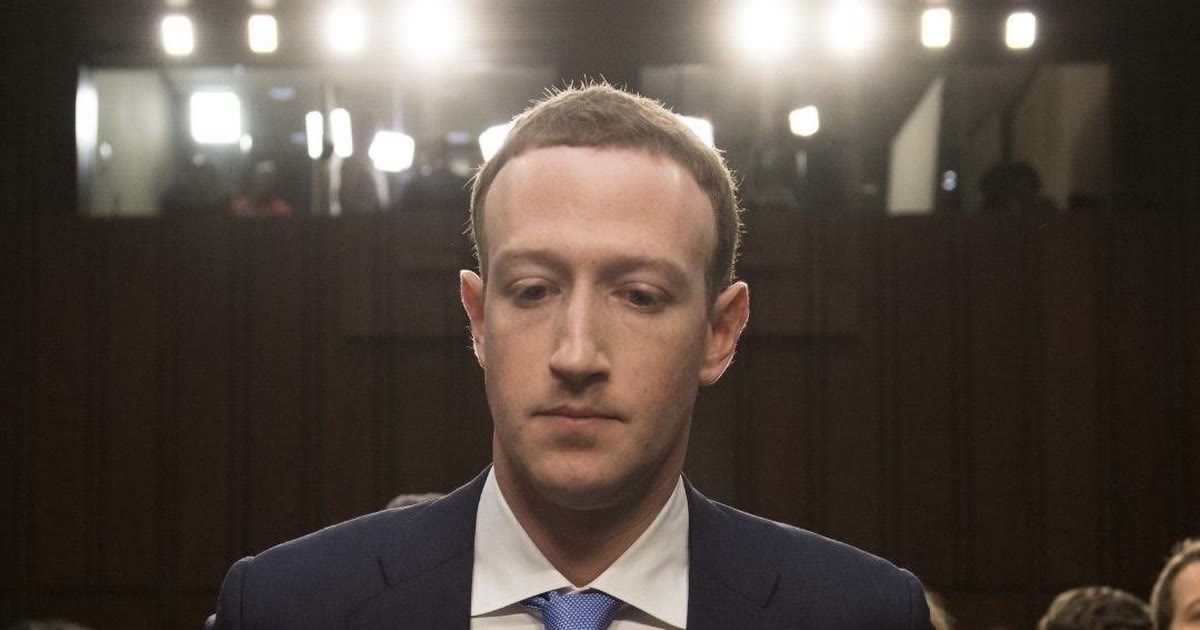
Meta has agreed to pay up to $16.68 billion to settle a lawsuit brought by 29 U.S. states, which alleged that Instagram and Facebook were designed to addict children and that the company misled the public about the risks. The deal was announced on August 26, 2026, eight days into a federal trial in Oakland, California. It comes with something bigger than the money: a detailed rulebook for how an app used by teenagers is supposed to behave.
The numbers, and why they don’t match
Reports disagree on the total because they count different things. Reuters, via Al Jazeera, puts the coalition’s maximum at $16.68 billion. The Associated Press reports about $17 billion. Meta’s own statement rounds the national package to roughly $18 billion, a figure that takes in a separate deal worth more than $1 billion with Texas.
- 10 years: the money is paid annually over a decade.
- $5.3 billion, about 30%, is released only if YouTube and TikTok adopt the same safety features and pay a matching amount.
- $10 billion: the legal charge Meta will book in the third quarter, according to TechCrunch.
- $201 billion: Meta’s 2025 revenue, for scale.
- $1.4 trillion: the penalty exposure Meta’s own filing described before it settled.
Meta admitted no wrongdoing. U.S. District Judge Yvonne Gonzalez Rogers approved the deal.
What changes inside Instagram and Facebook
For the next ten years, teen accounts get these defaults:
- A two-hour daily limit across both apps combined, which only a parent can lift, with alerts at 60 and 90 minutes.
- Night Mode, which blocks the apps from midnight to 6 a.m.
- School Mode, which mutes notifications from 8 a.m. to 3 p.m.
- Like counts hidden by default, and extreme makeup filters blocked.
- A feed that doesn’t depend on the recommendation algorithm, plus the option to switch off autoplay.
- Stronger age checks to find children under 13, and an independent auditor to check the work.
California Attorney General Rob Bonta, who led the case, said the time limit will drop to one hour if other platforms agree to the same terms. “Meta has agreed to make massive transformations that will reduce the risk of harm from its platforms,” he said.
Why Meta settled
The trial opened on August 18. Instagram head Adam Mosseri had taken the stand, and Mark Zuckerberg was expected to follow him. Arturo Béjar, a former Meta engineering director, testified that the company put profit ahead of safety. In New Mexico, Meta had already been ordered to pay $375 million in March and another $567 million in August.
How many teens this reaches
A Pew Research Center survey of 1,458 teens aged 13 to 17 found that 97% go online every day and 36% use at least one major social platform “almost constantly.” For TikTok that figure is 21%, and for Instagram it is 12%.
What it means if you build an app
“Because teens move fluidly across dozens of apps, we need an industry-wide solution,” said Meta Chief Legal Officer C.J. Mahoney. On that point he is right. The settlement binds only one company, but it is now the most detailed public standard for designing a product young people use. If you run a school app, a youth league, a church community or a family tool, treat these defaults as the minimum: a time limit the parent controls, quiet hours, no public popularity scores, honest age checks, and a feed the user can turn off.
It costs far less to build these in from the start than to add them later under a court order. This is how we build the family coordination tools and the technology that keeps the peace at home. Our partners at Nexaria Digital look at the same settlement from the platform side in Safety by Design Is Now the Price of a Platform.
Frequently asked questions
How much is Meta paying in the teen social media settlement?
Up to $16.68 billion to the 29-state coalition, according to Reuters, paid over 10 years. State attorneys general cite about $17.1 billion, and Meta puts its whole national package at about $18 billion, including a separate deal with Texas worth more than $1 billion.
What changes for teens on Instagram and Facebook?
By default, teens get a two-hour daily limit that only a parent can lift, no access from midnight to 6 a.m., muted notifications during school hours, hidden like counts and stronger age checks. The rules last 10 years.
Did Meta admit wrongdoing?
No. The court filing says Meta denies the allegations and any liability.
Will YouTube and TikTok have to follow the same rules?
They are not bound by the settlement. However, about $5.3 billion of Meta’s payment is released only if YouTube and TikTok adopt similar protections and pay a matching amount.