What we make
Custom 3D models of characters, products and mascots — built from your photographs, sketches, spec sheets, or from nothing but a description. Every model arrives in the formats the modern web actually uses, compressed so it loads on a phone in a couple of seconds without looking cheap.
The figures on this page are ours, start to finish. Each one exists as a web model you can spin, a print file that comes off a resin printer watertight and flat on the plate, and a still image for anywhere a picture is all you need.
What a 3D model is actually for
This is where most people stall — a 3D model sounds like a nice-to-have. It isn't. It's one asset that replaces several, and it works in places a photograph simply can't go.
On your product page
Customers rotate the item themselves instead of squinting at five fixed photos. They see the back, the underside, the bit the photographer missed.
In their own room
Augmented reality through the phone camera — no app to install. They point the phone at the floor and the object is there, at real size.
Inside a VR store
The same model becomes a physical object on a shelf in a walkable store, like the ones we already build.
As a physical print
The print version comes out watertight and correctly oriented — figures, prototypes, promo pieces, packaging mockups.
In games and apps
Standard formats that drop straight into Unity, Unreal or Blender. No conversion job, no cleanup pass.
As video, forever
Turntables, close-ups and new angles rendered on demand. Never book another photoshoot to get one more shot.
Why it's worth it to you
Photography ends. The model doesn't.
A photoshoot buys you a fixed set of images. Want a new angle, a new colourway, a new background, a seasonal version? That's another shoot. A model is built once and re-rendered forever, at no extra cost per image — and it never needs the product to physically exist first.
People buy what they can inspect.
The reason a shop lets you pick things up is that handling an object settles doubt. Rotating a model is the closest the internet gets to that. Customers who can turn a thing over ask fewer questions before buying — and send fewer parcels back afterwards, because nothing arrives looking different from what they thought they bought.
One asset, every channel.
The same file works on the product page, in AR, in a VR store, in a game, on a printer and in an ad. Most brands pay separately for each of those. Building the model once collapses that into a single line item.
You own it outright.
Source files, full rights, standard formats. Nothing is locked to our tools or our hosting. If you never speak to us again, everything still opens and still works.
It makes you look like the bigger company.
Spinning 3D on a product page still reads as something only large brands do. It costs a fraction of what people assume, and it lands hardest for small brands, precisely because nobody expects it.
Work we've made
Three collections of original characters — eighteen figures, each built as a web model, a print file and a render. Made to prove the pipeline end to end: concept, model, texture, compress, ship.
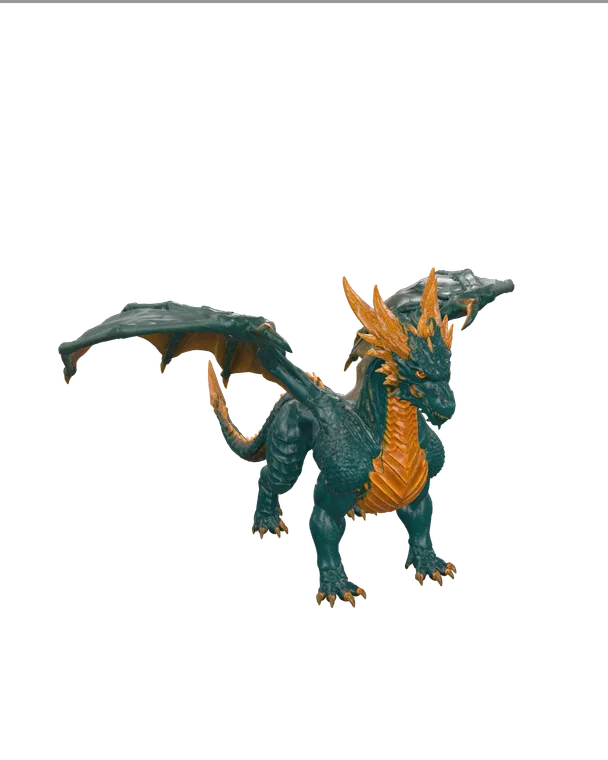
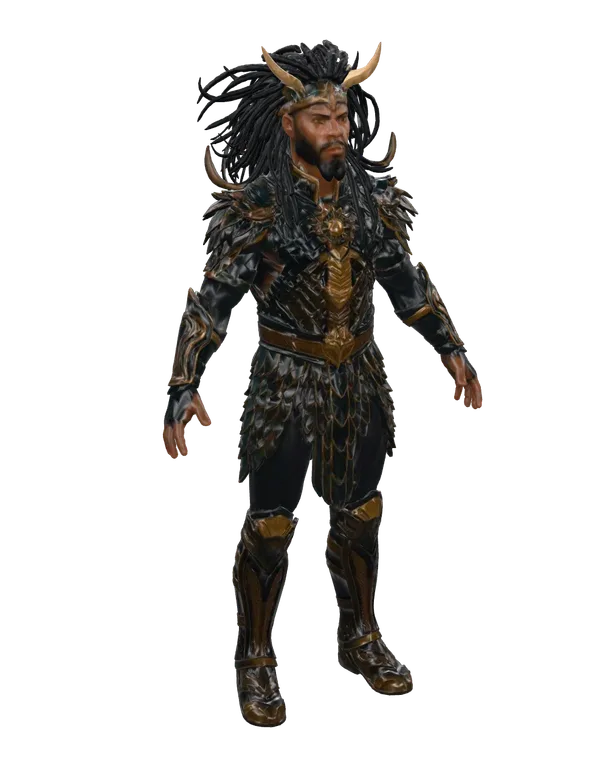
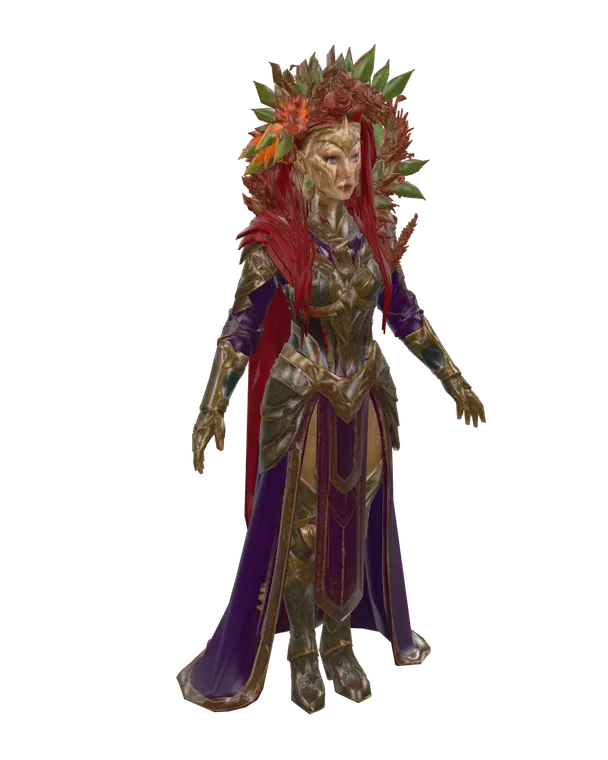
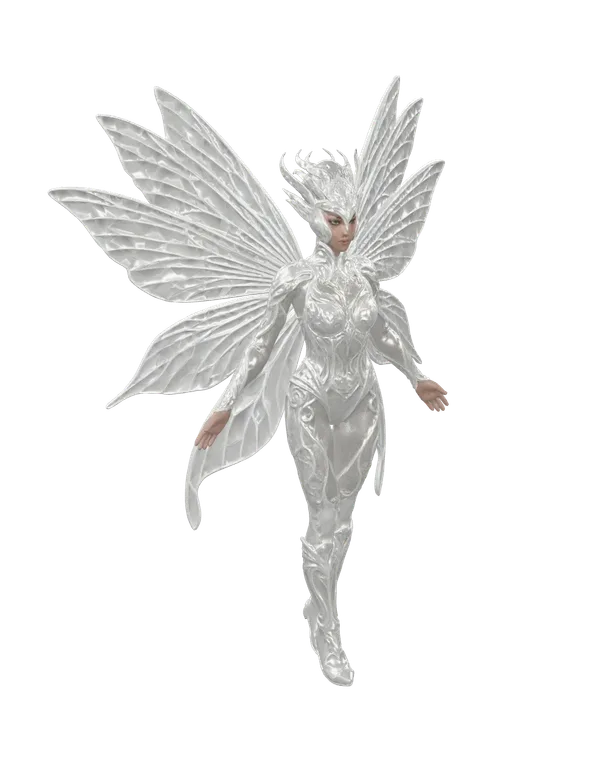
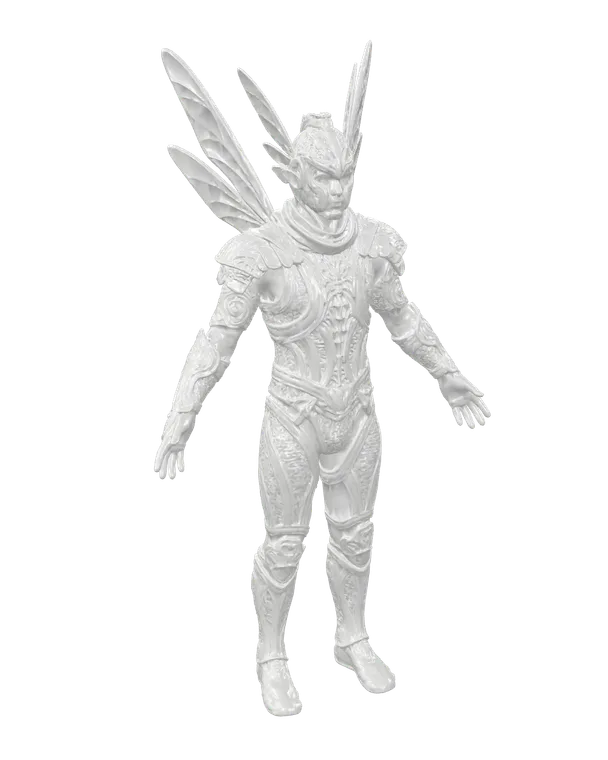
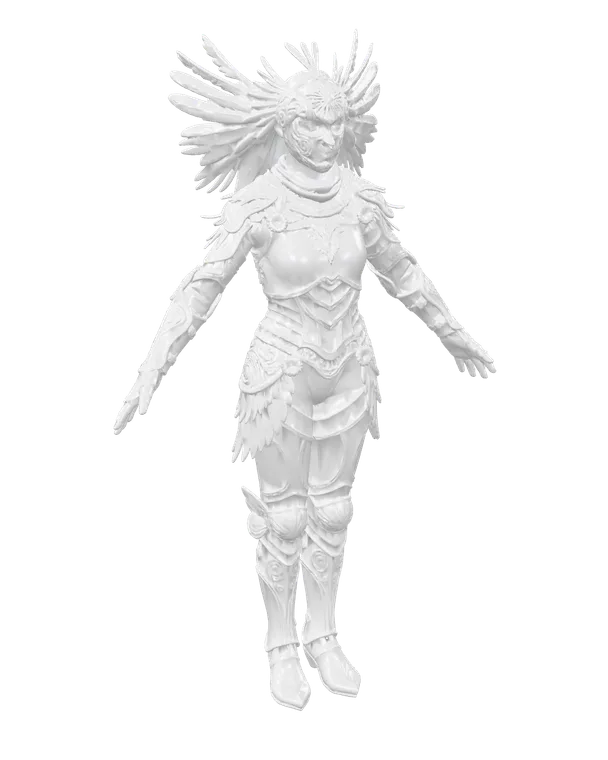
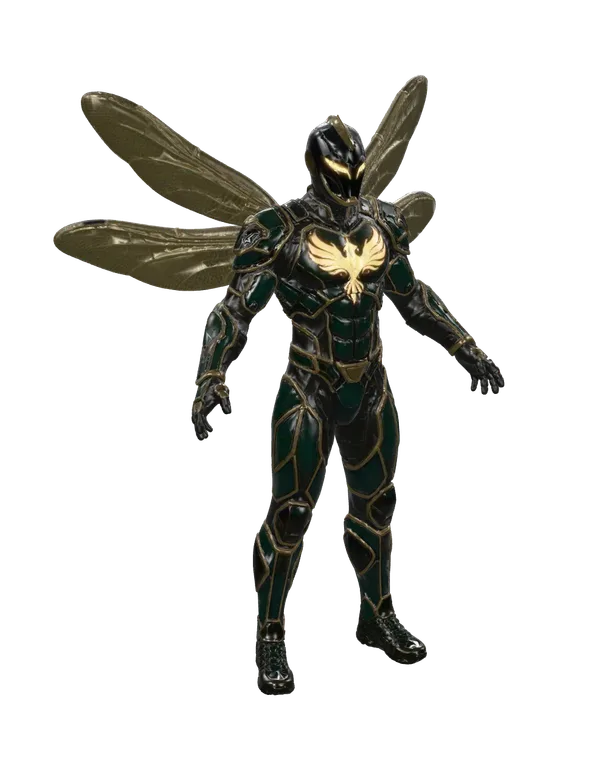
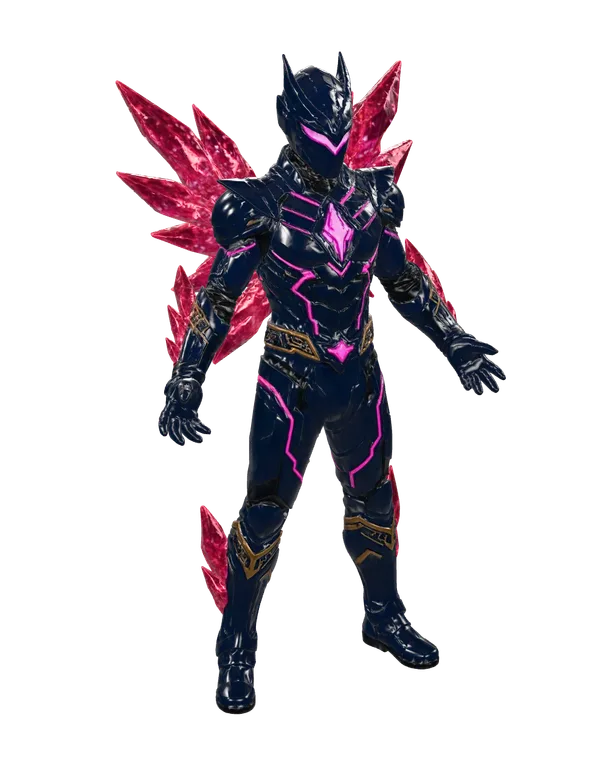
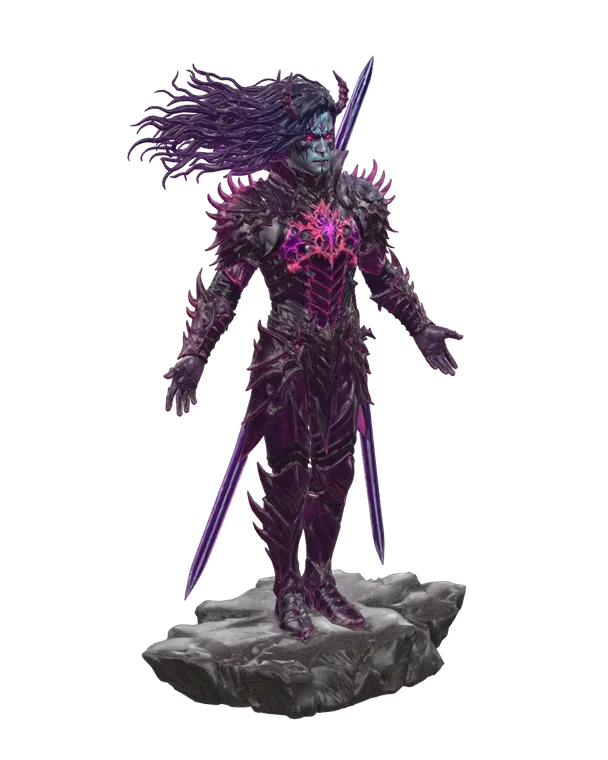
These particular collections are also sold as ready-made packs at snottys.com.
How a commission runs
You send what you have — photos, a sketch, a product, or just a description. We come back with a concept for approval before any modelling starts, so you're never surprised by the result. From there we build, texture and compress, then hand over the finished files.
Most single characters or products take under a week. Sets take longer, and we'll tell you honestly which parts of an idea will and won't survive being turned into geometry — thin wire, loose fabric and text are the usual troublemakers, and it's better to hear that at the start.
Questions people ask us
Do my customers need an app or a headset?
No. It runs in a normal browser on a normal phone. Augmented reality uses the phone's own camera with nothing to install. A headset works too, but it's never required.
Can you model something that already exists?
Yes — that's most of the work. Photographs from a few angles are usually enough. Spec sheets or drawings help when the object has precise dimensions.
What do I actually receive?
GLB for the web and AR, STL for 3D printing, and FBX or OBJ on request for game engines. Plus renders and turntable video. The web version is compressed to load fast on a phone; the print version keeps the full detail.
Do I own it?
Yes, outright — source files and full rights. Standard formats, no lock-in to our tools or hosting.
Will it work with my existing website?
Almost certainly. The web format is an open standard supported by every modern browser, and by Shopify, Squarespace, WordPress and custom builds alike. If you'd rather not touch your site, we can add it for you.
Can it be 3D printed?
Yes, and we prepare it properly — watertight, correctly oriented, sitting flat on the plate. We'll also tell you the minimum size it needs to print at, because fine detail below a certain scale simply doesn't survive.